


TL;DR:
- Essential oil investing involves allocating capital into production and sourcing as a diverse asset class. Success depends on strict quality verification, regulatory compliance, and strategic business models focused on recurring revenue and seasonal demand. Most risks stem from yield volatility, adulteration, and regulatory violations, making transparency and due diligence essential for profitable investments.
Essential oil investing is the practice of allocating capital into the production, sourcing, distribution, or retail of plant-derived aromatic oils as a portfolio asset class. The global essential oils market reached $15.21 billion year-to-date in 2026, up 13% from 2025, with projections ranging from $19.5 billion to $27.88 billion by year-end. That scale makes this far more than a wellness niche. For accredited investors seeking real diversification, the essential oil investing tips that matter most center on market timing, sourcing rigor, and profitability models that most retail guides never cover.
1. What are the current essential oil market trends?
The essential oil market grows on three converging forces: the rise of aromatherapy, the shift toward natural ingredients in food and cosmetics, and a consumer base that demands ethical sourcing. Understanding these trends is the first step in any sound essential oil investment strategy.
The most significant trend reshaping the market is seed-to-shelf traceability. Traceability scored 90/100 in market analytics, making it a baseline expectation rather than a premium feature. Brands that cannot document their supply chain from farm to bottle are losing shelf space and consumer trust.
Three other trends define where the market is heading:
- AI-powered aroma profiling matches consumer preferences to specific oil blends, reducing returns and increasing repeat purchases.
- Blockchain sourcing verification creates immutable records of origin, extraction method, and purity, which institutional buyers now require.
- Sustainability positioning drives premium pricing, with organic and ethically sourced oils commanding measurable price premiums over conventional alternatives.
Citrus oils currently hold a 42.1% market segment share in 2026 due to their wide availability and strong consumer demand. That dominance signals where volume plays exist, while rarer oils like rose or neroli represent margin plays for investors with longer time horizons.
2. How product quality and sourcing affect your returns
Product quality is not a marketing variable in essential oil investing. It is a financial one. Adulterated or mislabeled oils generate chargebacks, regulatory penalties, and brand damage that erode capital faster than any commodity price swing.

GC-MS chemical analysis (gas chromatography-mass spectrometry) is the definitive standard for verifying essential oil purity. Relying on appearance or smell alone is insufficient because sophisticated adulteration is undetectable by sensory inspection. Every bulk purchase requires a GC-MS report and a Certificate of Analysis from an independent lab.
Key quality factors that directly affect investment returns:
- Organic certification adds 15–30% to the cost of oils but unlocks premium retail channels and higher consumer willingness to pay.
- Rare plant sourcing creates extreme price differentials. Rose oil costs up to 50 times more than citrus oil per kilogram, reflecting yield scarcity rather than processing complexity.
- Regulatory compliance with USDA, FDA labeling standards, and international import rules protects against costly recalls and shipping penalties.
- Supplier certifications including GMP (Good Manufacturing Practice) and ISO standards signal operational reliability and reduce counterparty risk.
Pro Tip: Always request a batch-specific GC-MS report, not a generic one. Suppliers who resist this request are a red flag worth acting on immediately.
3. What strategies increase profitability in essential oil investing?
Profitability in this market does not come from buying low and selling high on spot prices. It comes from structuring the business model around recurring revenue, margin-rich bundles, and seasonal demand patterns.
Subscription models
Subscription-based essential oil sales generate 30–40% higher average order values and gross margins of 65–70%. A curated monthly box of three to five oils with a wholesale cost of $10–$15 retails at $35–$50. That margin structure outperforms most consumer goods categories. Subscription models also reduce customer acquisition cost per dollar of revenue because each subscriber generates multiple transactions.
Bundling and private labeling
Bundling complementary oils (such as a sleep blend or an immunity kit) increases perceived value without proportionally increasing cost. Private labeling adds another margin layer by removing the brand premium paid to third-party manufacturers. Investors who control the label control the pricing.
Seasonal demand and inventory timing
- Winter months drive demand for eucalyptus, peppermint, and warming blends tied to cold and flu season.
- Spring and summer lift citrus and floral oils through home fragrance and personal care demand.
- Holiday gifting creates a predictable Q4 spike that rewards investors who build inventory in Q3.
- New Year wellness cycles generate January demand for detox and stress-relief blends.
Pro Tip: Build your inventory position two months before seasonal peaks. Wholesale prices rise as demand spikes, so early positioning protects your margin.
Marketing channel selection
Direct-to-consumer channels through owned e-commerce generate the highest net margins but require upfront marketing spend. Wholesale to spas, yoga studios, and natural grocery chains offers lower margins but predictable volume. The most profitable investors in this space run both channels simultaneously, using wholesale to fund cash flow and DTC to build brand equity.
4. What risks and challenges should essential oil investors know?
Essential oil investing carries real risks that most introductory guides understate. Investors who enter without understanding commodity volatility, regulatory exposure, and capital requirements tend to exit early at a loss.
The core risks break down as follows:
- Yield volatility creates unpredictable pricing. Rose oil yields 0.25–0.5 kg per ton of plant material, while citrus yields 20–60 kg per ton. A single bad harvest season can double the spot price of rare oils overnight.
- Regulatory complexity around labeling, hazmat shipping classifications, and import documentation creates compliance costs that new investors routinely underestimate.
- Medical claim violations carry serious legal and financial consequences. Regulatory bodies including the FDA treat unverified health claims on essential oil products as drug claims, triggering enforcement actions.
- Manufacturing capital requirements are substantial. Breakeven for essential oil manufacturing typically occurs around Year 4, with capital expenditure exceeding $2.8 million for full-scale operations.
“Avoid making medical claims on essential oils. Focus on wellness, mood enhancement, and atmospheric benefits to maintain compliance and protect your investment from regulatory penalties.” The regulatory and shipping compliance burden alone eliminates operators who treat it as an afterthought.
AI-driven aroma profiling and blockchain sourcing are creating a market divide. Brands that adopt these tools gain pricing power. Legacy operators who ignore them risk losing market share to more transparent competitors. For investors evaluating which operators to back, technology adoption is now a due diligence criterion.
5. How to evaluate bulk suppliers and protect your capital
Supplier selection is where most essential oil investment capital is either protected or destroyed. A reliable supplier is not just a vendor. They are a risk management partner.
When evaluating bulk suppliers, apply these criteria across four dimensions:
| Evaluation Factor | What to Look For | Red Flag |
|---|---|---|
| Documentation | Batch-specific GC-MS reports and Certificates of Analysis | Generic or undated test reports |
| Certifications | GMP, ISO, USDA Organic, or equivalent | No third-party certification |
| Minimum order quantities | Flexible tiers that match your scale | MOQs that force overcommitment |
| Return and dispute policy | Clear written policy with defined timelines | No return policy or vague terms |
| Packaging and storage | Dark glass or aluminum, proper labeling, UV protection | Plastic containers or unlabeled stock |
Pricing factors in bulk sourcing include plant source, extraction method (steam distillation versus cold press versus CO2 extraction), certification status, and volume. CO2-extracted oils typically command a premium because the process preserves more volatile compounds. Volume discounts generally begin at 10 kg and scale meaningfully above 50 kg.
Storage and shelf life matter as much as purchase price. Most essential oils have a shelf life of one to three years when stored correctly. Citrus oils oxidize faster and require refrigeration for extended storage. Investors holding inventory must account for storage costs and turnover rates in their return calculations.
When analyzing investment platforms and suppliers alike, the same principle applies: transparency of documentation and track record of compliance separate credible operators from risky ones.
Key takeaways
Essential oil investing rewards investors who prioritize sourcing rigor, recurring revenue models, and regulatory compliance over those who chase commodity price swings.
| Point | Details |
|---|---|
| Market size signals real opportunity | The global market reached $15.21 billion in 2026, growing 13% year over year. |
| GC-MS reports are non-negotiable | Batch-specific purity verification protects capital from adulteration losses. |
| Subscription models maximize margins | Gross margins of 65–70% make subscription boxes the highest-return sales channel. |
| Rare oils carry yield risk | Rose oil yields 0.25–0.5 kg per ton, making price volatility a real capital risk. |
| Manufacturing requires a long horizon | Breakeven typically arrives around Year 4, requiring patient capital above $2.8 million. |
Why I think most essential oil investors focus on the wrong thing
Most investors who enter this market fixate on finding the “best” oil to back, as if picking the right botanical is the whole game. That thinking misses the point entirely. The investors who generate consistent returns here are not the ones with the most exotic sourcing. They are the ones who treat quality verification, regulatory compliance, and business model structure as their actual investment thesis.
I have seen operators with access to genuinely rare oils lose money because they skipped GC-MS testing and got burned by adulterated stock. I have also seen investors in high-volume citrus oils build strong cash flow businesses simply by running a tight subscription model and staying disciplined on inventory timing. The oil itself is almost secondary to the operational framework around it.
The other mistake I see constantly is treating this as a short-term trade. The essential oil market’s CAGR of 7.3–9.1% through 2035 is real, but it rewards patient capital. Investors who expect quick exits from manufacturing positions will be disappointed. Those who build or back businesses with subscription revenue, private labels, and traceable supply chains will find this market genuinely rewarding over a three-to-five-year horizon.
Diversifying into sustainable resource investments alongside essential oils also reduces single-sector exposure, which any serious portfolio diversifier should consider.
— Sharif
Fieldvest: a smarter path to resource-based investing
Essential oil investing sits within a broader category of resource and commodity investments that reward due diligence, patient capital, and transparent operators. Fieldvest applies that same discipline to vetted U.S. energy projects, connecting accredited investors with trusted oil and gas operators that offer large first-year tax deductions and long-term cash flow.
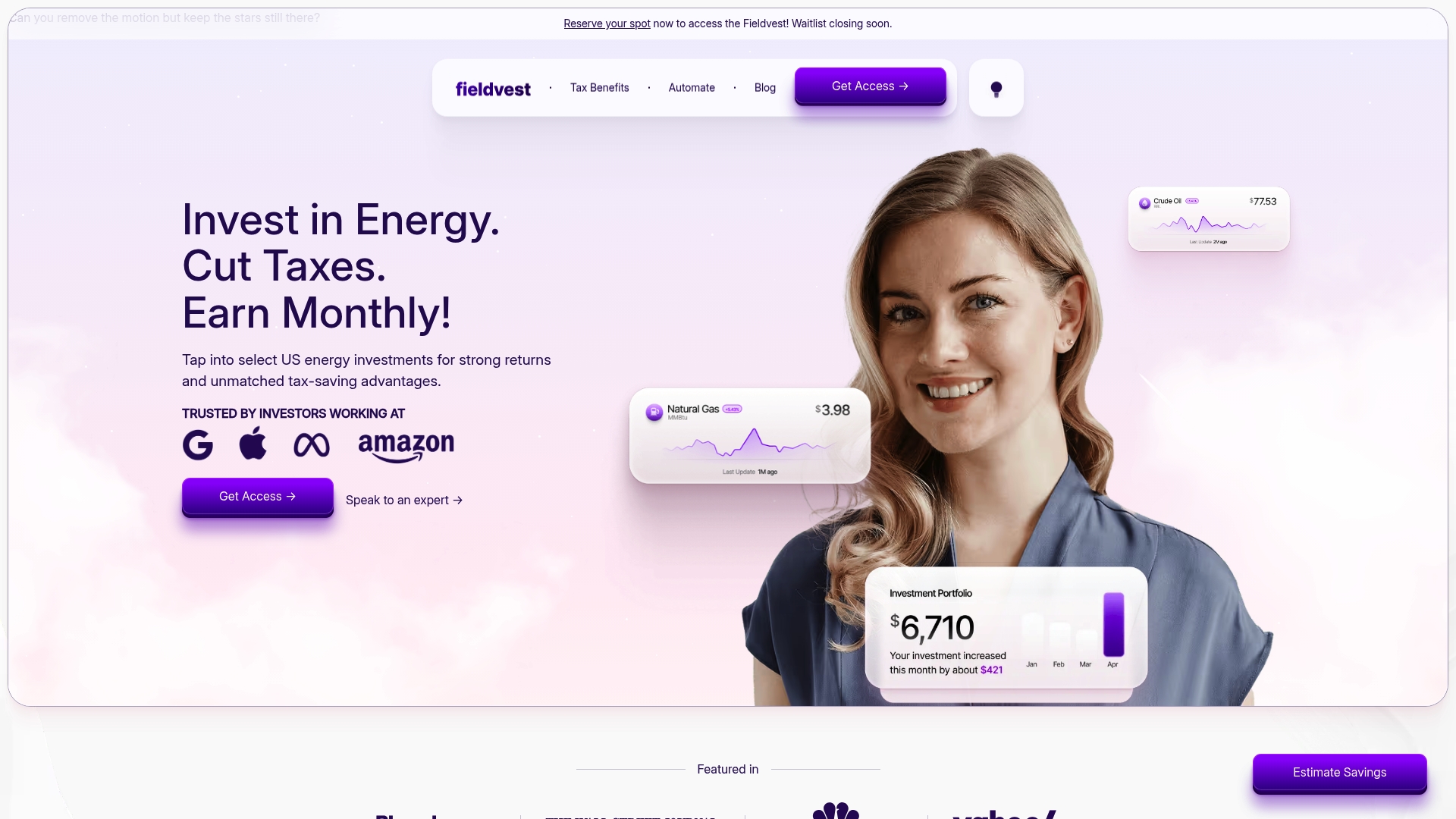
If you are building a diversified portfolio that includes resource-based assets, Fieldvest gives you access to U.S. oil investment opportunities with the same sourcing rigor and transparency standards that define successful essential oil investing. Accredited investors can also review tax and cash flow benefits that make energy projects a strong complement to commodity-based holdings. Visit Fieldvest to review current project offerings.
FAQ
What is the essential oil market worth in 2026?
The essential oils market reached $15.21 billion year-to-date in 2026, up 13% from 2025, with projections ranging to $27.88 billion by year-end.
How do I verify essential oil purity before investing?
Request a batch-specific GC-MS (gas chromatography-mass spectrometry) report and a Certificate of Analysis from an independent laboratory. Sensory inspection alone cannot detect sophisticated adulteration.
What are the most profitable essential oils to invest in?
Citrus oils offer high volume and steady turnover with a 42.1% market share. Rare oils like rose carry higher margins but significant yield risk, making them better suited to investors with longer time horizons.
What legal risks come with essential oil investing?
Making unverified medical claims on essential oil products triggers FDA enforcement actions. Stick to wellness, mood, and atmospheric benefit claims to stay compliant and protect your capital.
When does an essential oil manufacturing investment break even?
Manufacturing breakeven typically occurs around Year 4, with capital expenditure requirements exceeding $2.8 million for full-scale operations. Smaller-scale distribution and subscription models reach profitability much faster.
Recommended

Get the Fieldvest Energy Brief
and AI-driven demand shifts — curated for accredited investors. Smart. Strategic. Tax-advantaged.